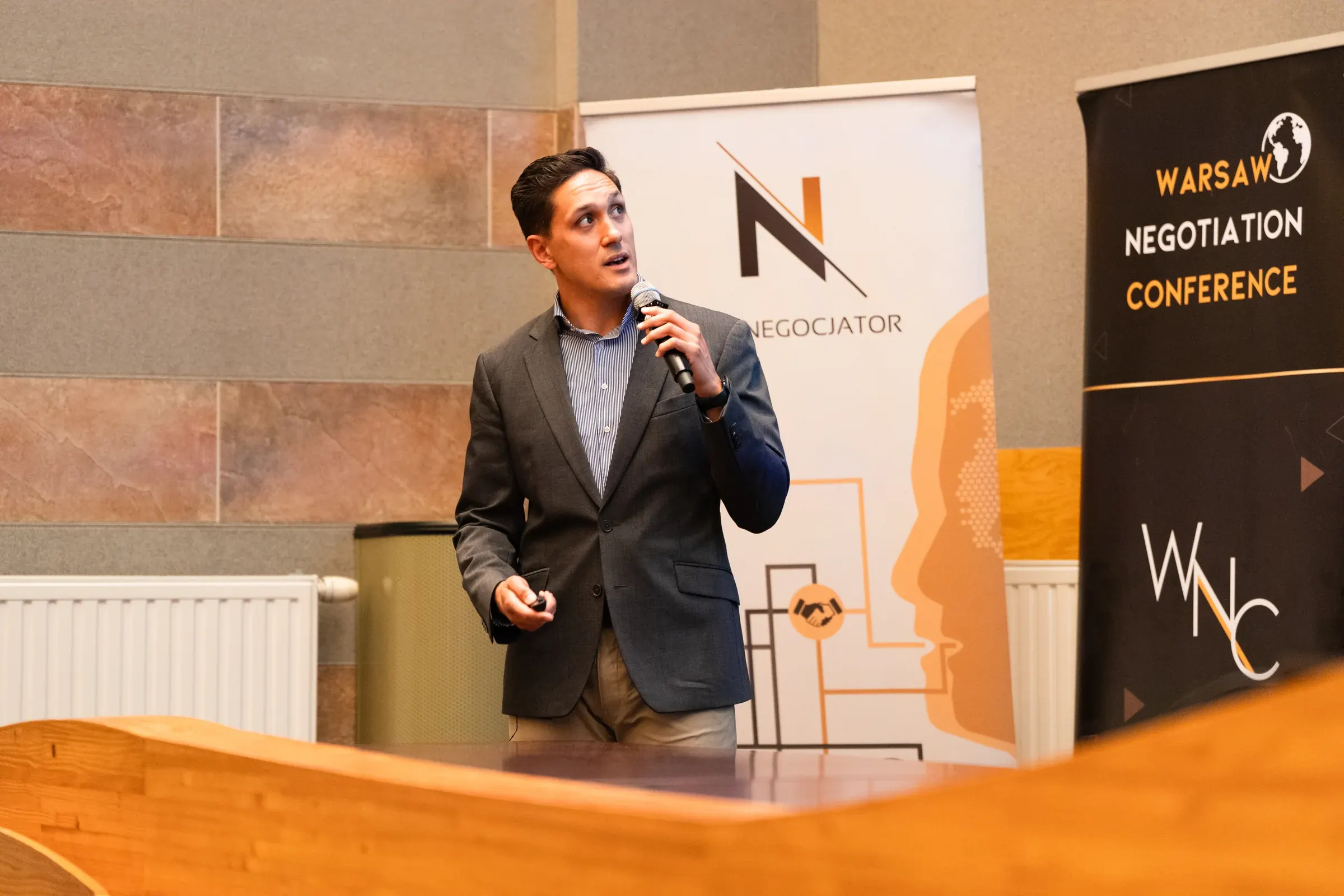
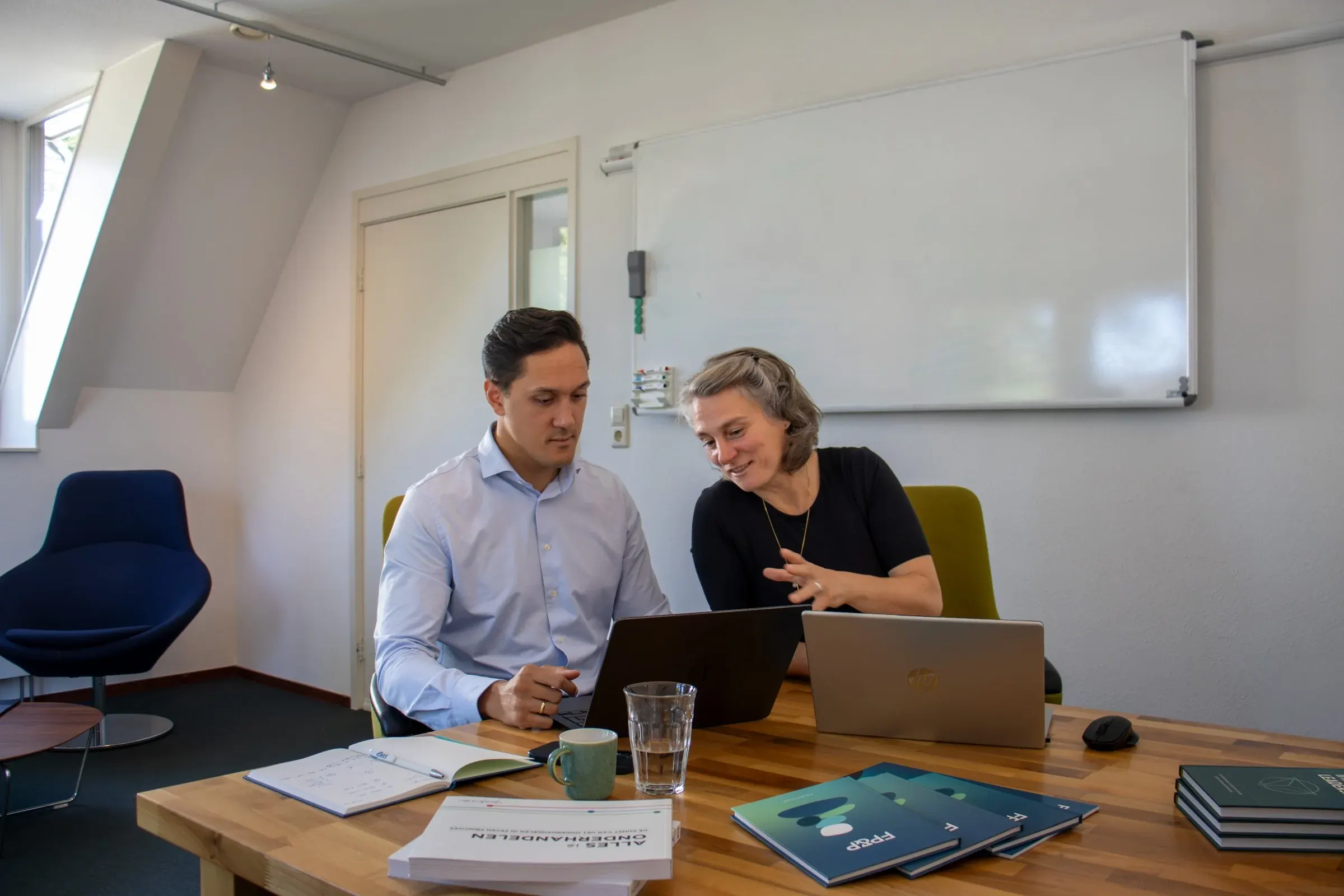
David C. van der Griend is a trained psychologist and a coach at FP&P. His coaching is grounded in science: together you look at the patterns and beliefs behind how you work and negotiate. He coaches in English or Dutch, in person or online. See his coach profile at FP&P. (opens in a new tab)
Personal coaching
Your work, your career and personal leadership.
What you find important in your work
Career choices that suit you
Personal leadership, also without a management role
What happens from the first session to the last, and the methods he uses. For one person, about five sessions of 90 to 120 minutes; for a team, the number and length are agreed with you.
Personal coaching
How it runs
Agree the resultThe first session is also the intake. You agree the result you want and can stop there at no cost if it does not fit.
Explore the patternYou look at the situations, thoughts and beliefs that move you forward or hold you back, starting from what already works.
Practise in betweenEach session ends with an exercise or a small step to try, and the next one picks up what you noticed.
Close with a planYou turn what you learned into an action plan, with a follow-up call later on.
Methods
Solution-focused questionsYou describe the situation you want, look at moments when the problem is smaller and rate your progress on a scale of 0 to 10.
Cognitive-behavioural coachingYou trace a recurring situation back to the thoughts behind it, test whether they still hold and try a different response.
Values and acceptance (ACT)You clarify what matters to you and practise acting on it, also when difficult thoughts and feelings come up.
What you have at the end
A clear goal to measure your progress against
Insight into the patterns and beliefs behind your choices at work
Exercises you keep using, an action plan and a follow-up call
Negotiation coaching
How it runs
Agree the caseIn the intake you bring a negotiation you face, or a pattern in how you negotiate, and agree what a good result looks like.
Prepare the real thingYou work through your own case: the interests on both sides, the alternatives to an agreement, the order of topics and your opening.
Rehearse key momentsYou play out the opening, the first offer or the pushback with him as the other side.
Review and planAfterwards you go through what you planned and what happened, and turn the lessons into an action plan.
Methods
Structured preparationYou map shared and opposed interests, take a realistic look at both sides' alternatives and set the sequence of the conversation.
Rehearsal with feedbackYou role-play the moments you expect to be hard, with feedback after each round.
Patterns and beliefsYou look at the beliefs behind how you negotiate, and at the tension that can make you give in too early.
What you have at the end
A prepared plan for the negotiation you face
Insight into how you negotiate and what you will do differently
A way to prepare and review that you can reuse
Team coaching
How it runs
Describe the teamYou set out what is happening in the team, what it should achieve and the timing.
Look togetherTogether you look at where the team is stuck before any session is planned.
Design the sessionsNumber, length, group size and location are agreed for your team.
Work and reviewThe team works on how it works together and closes by agreeing what it keeps and what it changes.
Methods
Team reviewThe team looks back at a recent stretch of its own work: how information was shared, who spoke up and how disagreement was handled.
Mediation in the sessionsWhen tension between members, or with the leader, gets in the way, he mediates during the sessions.
Negotiating as one teamThe team prepares one of its own negotiations together, so members line up before they meet the other side.
What you have at the end
A shared picture of where the team is stuck
Agreements on working together, made by the team itself
Where the team negotiates, a joint preparation for a real case
Excellent teacher, coach and instructor. David Charles has a great way of storytelling and guiding you through all aspects of negotiating. … Given his great people skills, he has the ability to provide personal, in-depth feedback which allows you to continue learning and improving.